How to take photos in museums and indoors without flash

Museums and historic interiors are full of subjects, but light is dim and flash is often banned. With the right settings you can still get sharp, natural photos. This guide starts with rules and courtesy, then covers exposure, reflections, colour and composition.
Starting settings (approximate)
1Know and respect the rules
Many museums allow photos for personal use but ban flash, tripods or selfie sticks, and some rooms or temporary exhibitions do not allow photography at all. Flash can disturb visitors, and many institutions restrict it to protect sensitive objects.
Rules differ from place to place, so check them every time rather than assuming.
- Read the signs at the entrance and in each room, and check the museum website.
- Turn off flash and the autofocus assist lamp.
- Use the silent or electronic shutter if your camera has one.
- Step aside quickly and do not block other visitors' view.
2Set exposure for low light
Without flash you need light from somewhere else: a wide aperture, a slower shutter speed with stabilisation, and a higher ISO. Modern cameras handle ISO 1600–6400 well (approximate), and a little noise is better than blur.
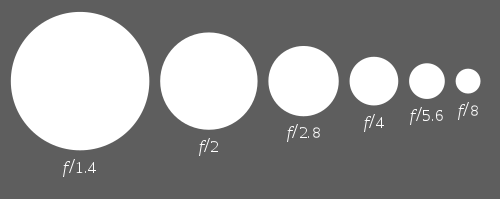
A bright prime lens, such as a 35 mm or 50 mm at f/1.8, can gain two stops or more over a typical kit zoom.

- Use the widest aperture available, or about f/4 for objects with depth.
- Keep the shutter speed around 1/focal length or faster, slower only with stabilisation and a still subject.
- Use auto ISO with a sensible upper limit.
- Brace your elbows against your body or a pillar.
3Avoid reflections in glass
Display cases and framed pictures reflect lamps, windows and you. Reflections lower contrast and add bright patches.
Putting the lens close to the glass blocks most reflections; a soft rubber lens hood protects both the glass and the lens.
- Place the lens hood gently against the glass, if touching is permitted.
- Shoot at a slight angle to move remaining reflections out of the frame.
- Wear dark clothing so you reflect less.
- Never touch artworks or lean on cases.
4Get the colour right
Museums mix daylight, warm lamps and LED spotlights, which can give yellow or blue casts.
- Use auto white balance and check the screen.
- Shoot raw so you can correct colour later.
- For one consistent room, set a custom white balance on a neutral wall.
5Compose thoughtfully
Beyond copying artworks, look for details, architecture, light falling across a room and how people interact with exhibits.
- Photograph object labels too, so you remember what you saw.
- Frame symmetrical halls straight on and keep vertical lines upright.
- If you include other visitors, keep them anonymous or ask permission.
Before you go
- Rules checked
- Flash and AF light off
- Wide lens ready
- ISO and stabilisation set
- Silent mode on
- Rubber lens hood packed