How to photograph flowers

Flowers are everywhere, sit still most of the time and come in endless shapes and colours, which makes them a great subject at any level. The difference between a snapshot and a strong flower photo usually comes down to light, background and focus. This guide shows how to find good light, choose a lens and aperture, clean up the background, handle wind and compose with care.
Starting settings (approximate)
1Find soft light
Direct midday sun creates hard shadows and bleached petals. Overcast days and open shade wrap the flower in even light that shows colour and texture. Low sun from behind can make translucent petals glow.
- Shoot on cloudy days or in shade.
- Hold a diffuser between the sun and the flower.
- Try backlight with a dark background for glowing petals.
2Choose a lens
A macro lens lets you fill the frame with a small flower. A short telephoto from further back gives a narrow view that simplifies the background. Wide angles can show a flower in its setting.
- Use a macro lens or close-up filter for detail shots.
- Use about 85–200 mm (full frame) to isolate a flower from a distance.
- Use a wide lens low to the ground to include sky or landscape.
3Control depth of field
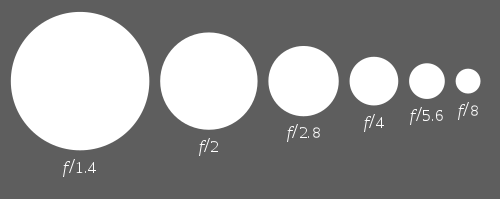
Close up, depth of field is very shallow: at f/2.8 only a sliver of a petal may be sharp. Decide whether you want a dreamy shot with one sharp point or a fully sharp flower.

- For soft, painterly results, use f/2.8–f/5.6.
- For more of the flower sharp, try f/8–f/11 and get the camera parallel to the flower's face.
- For full sharpness at high magnification, use focus stacking.
4Focus precisely
Autofocus often grabs the wrong petal. Our eye goes to the nearest petals or the centre of the flower, so place focus there.
- Use a single small focus point or manual focus with magnified view.
- Focus on the front petals or the stamens.
- At very close distances, move the camera slightly forward and back to fine-tune focus.
5Deal with wind and shake
Even a light breeze moves a flower, and at macro distances small movements cause big blur.
- Shoot early in the morning when air is often calm.
- Shield the flower with your body or a reflector.
- Use 1/250 s or faster, raising ISO if needed.
- Take several frames in a burst and keep the sharpest.
6Clean up the background
Busy backgrounds distract from the flower. Small changes in angle often swap clutter for clean colour.
- Move until the background is distant foliage, sky or shade.
- Remove dead leaves or twigs around the flower without harming the plant.
- Hold a card or cloth behind the flower for a plain background.
7Compose with care
Single flowers, pairs or a pattern of many all work. Leave space in the direction a flower faces, and try angles from below or behind.
- Shoot at the flower's height, not from standing height.
- Leave some empty space around the bloom.
- Respect gardens and wild plants: stay on paths and do not pick protected species.
Before you shoot
- Soft light found or diffuser ready
- Lens chosen for distance
- Aperture set for depth of field
- Single focus point on front petals
- Shutter speed fast enough for wind
- Background checked
- Camera at flower height
- Plants left undamaged