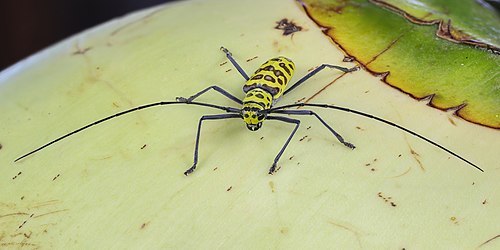
Shooting into the light

In short
- Backlight comes from behind the subject, towards the camera, creating glowing edges, silhouettes and atmosphere.
- Meter for the bright background to make a silhouette, or for the subject and accept a bright background.
- Fill flash or a reflector lifts a backlit face without losing the glow.
- Flare can be a defect or a style; control it with a hood, your hand or your position.
What backlight does
Backlighting means the main light source is behind the subject, shining towards the camera. It outlines shapes with bright edges, makes hair and leaves glow, and adds atmosphere and depth. The challenge is contrast: you choose between a silhouette or a well-lit subject with a bright background, or you add light to the front.
Low sun at golden hour is the classic backlight, but windows, stage lights and streetlights work the same way.
Never look at the sun through an optical viewfinder, and avoid pointing the lens at strong sun for long periods with the shutter open.
Silhouettes
For a silhouette, expose for the bright sky so the subject turns to a dark shape. Spot or centre-weighted metering on the sky beside the sun, or negative exposure compensation of about −1 to −2 EV, is a good start (approximate).
Clear, recognisable outlines matter most: a person in profile, a tree, a bird on a branch. Separate limbs from the body and avoid overlapping shapes.
Place the horizon low to give the sky colour room, or high if the reflection in water is the stronger element.
Rim light and glow
When the light skims the edges of a subject, it creates a bright rim. It works beautifully on hair, fur, steam, dust and translucent leaves.
Position the light slightly off-axis, behind and to one side of the subject, rather than exactly behind it. A dark background makes the rim stand out more.
Expose for the subject, often with positive compensation of about +1 to +2 EV in matrix or evaluative metering, and let bright areas go light (approximate).
Fill flash and reflectors
To keep a backlit face detailed while preserving the glow, add light to the front. A reflector, white, silver or gold, bounces sunlight back; a piece of white card or a wall can do the same.
Fill flash works in the same way. Set flash exposure compensation to about −1 to −2 EV so the fill looks natural (approximate). In bright light, use high-speed sync if you need a fast shutter speed.
Check the eyes: fill light adds catchlights and makes portraits livelier.
Flare and contrast
Shooting towards the light can cause flare: bright spots, streaks or a hazy, low-contrast veil. Some photographers use it deliberately for a dreamy look.
To reduce it, use a lens hood, shade the front of the lens with your hand or a card outside the frame, remove cheap filters and keep the front element clean. Moving slightly so the sun is hidden behind a tree or a building edge also helps.
A small aperture such as f/16 turns the sun into a starburst; a wide aperture keeps it soft (approximate behaviour depends on the lens).
Metering and exposure
Backlight tricks automatic metering. Matrix or evaluative metering averages the scene and often underexposes the subject.
Choose deliberately: spot meter on the subject for a bright background, on the sky for a silhouette. Use exposure compensation or manual mode and check the histogram and highlight warnings.
Shoot raw for more editing room; backlit scenes often need shadow lifting or highlight recovery.
An exercise to try
In the last hour before sunset, photograph a friend or object three ways: as a silhouette, with rim light exposed for the face, and with a reflector or fill flash.
Compare the mood and decide which suits which purpose.
Frequently asked questions
How do I avoid a dark face with backlight?
Expose for the face with positive compensation, use spot metering, or add light with a reflector or fill flash.
How do I get a silhouette?
Meter for the bright sky, use negative compensation and choose a subject with a clear outline.
Is lens flare bad?
Not necessarily. It lowers contrast, but used on purpose it can add atmosphere. Use a hood or shade the lens if you want to avoid it.
Is it safe to point the camera at the sun?
Briefly at low sun, usually yes. Never look at the sun through an optical viewfinder, and avoid long exposures pointed at strong sun.